What is a Skilled Trade Worker?
Aside from the name, what is the difference between skilled tradeworkers and manual laborers? What are employers looking for in skilled tradespeople? And can manual laborers and skilled workers get great local jobs no matter what their skills are?
Understanding what is a skilled trade worker is essential for anyone exploring construction careers. In fact, both skilled trade workers and trade workers (or manual laborers) are essential parts of today’s construction industry.
Regardless of the type of work — whether you’re paving a public roadway or building a residential structure — construction projects would ultimately grind to a halt without the presence of skilled trade workers and manual laborers.
But, aside from the name, what’s the difference between these two groups? What are employers looking for in skilled tradespeople? Moreover, can manual laborers and skilled workers alike get great jobs in their area? (Yes, they can!)
First, let’s dig into some definitions.
What’s the Difference Between Trade Workers and Skilled Trade Workers?
We’ll start with a critical distinction.
The opposite of a “skilled trade worker” is not an “unskilled” one. Trade workers may work on a team to perform needed but basic tasks, whereas skilled trade workers may work independently on complex initiatives that require technical knowledge.
- Specific training and education. Skilled tradespeople usually have training, certifications, or learned expertise that they can apply to make a construction project safer, more efficient, or more successful.
- More involved job responsibilities. Trade workers may work on a team to perform needed but basic tasks, whereas skilled trade workers may work independently on complex initiatives that require technical knowledge.
- Higher pay.As a result, skilled trade workers command higher wages than laborers in many cases.
What are Examples of Construction Careers?
In the construction industry, examples of essential roles that don’t require extensive technical training include:
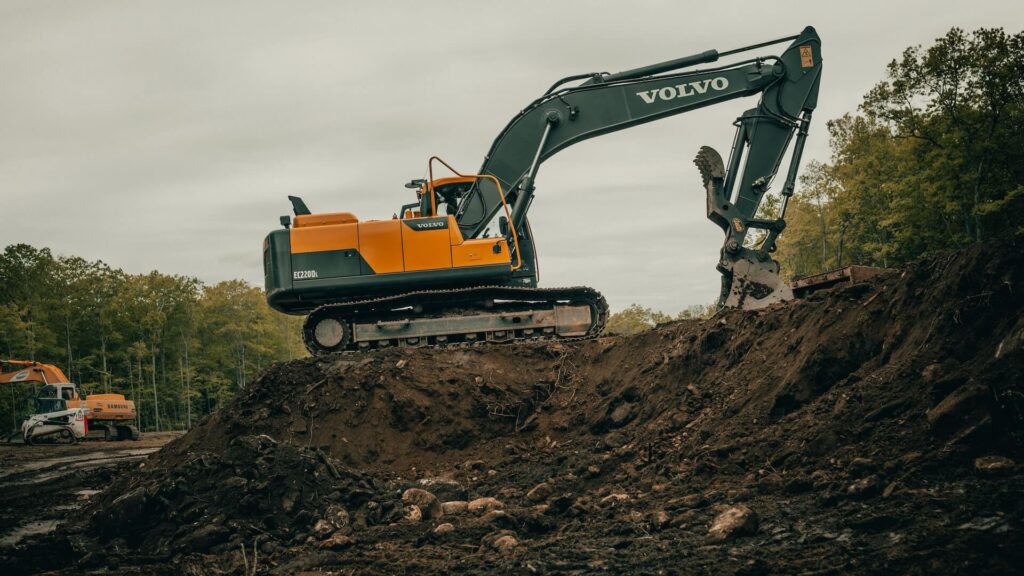
- Equipment operators, or professionals who operate heavy machinery on-site
- Construction site laborers, or people who maintain the cleanliness and safety of job sites
- Demolition workers, or people who tear down structures before new construction projects begin.
In addition, trade assistants or laborers often help skilled workers accomplish their projects. For instance, a roofer may have roofing laborers to help finish projects, carry materials, or alternatively assist with routine parts of the roofing project.

In contrast, examples of skilled trade professions include:
- Electricians
- Plumbers
- HVAC technicians
- Welders
- Carpenters
Of course, your training and experience don’t guarantee you a great job. However, if you don’t have specialized training, you shouldn’t think you’re out of the job market, either.
How to Land Your Next Construction Job.
If you’re trying to land a great gig in the construction industry as a trade worker or skilled trade worker, here are the same three tips for you:
- Communicate effectively. Indeed, all employers are looking for candidates who communicate respectfully and efficiently.
- Show that you’re interested in improving. Actually, it doesn’t matter if you have extensive training or not. It’s always good to show you’re serious about investing in your skills!
- Know how to showcase your expertise and experience. Specifically, prospective employers need to see the precise qualifications you bring to the table. Luckily, Trade Scouts can help.
With the profile-building process and job board at Trade Scouts, you can easily create a portfolio that shines a spotlight on your expertise and helps you find your next great opportunity, all in one place.
Ready to get started? Sign up for Trade Scouts today!